Towards an agile methodology
Nowadays projects are defined from the beginning with a tentative time for delivery, time in which the client / stakeholder in it only reports the result months after its preparation and delivery; In this fact, there is a tendency to fall into “adjustments” that involve taking a time greater or equal to the development in the worst case and shows a high expectation of the client.
All these factors lead to a product at the end of its development cycle ending up with different expectations from the client and it is in this case where it becomes clear what was really expected of it; Having said this, there is a more “dynamic” way where the client is showing the evolution of their product and where doubts are cleared during the development cycle: using a methodology such as Scrum.
Customer and team activity planning diagram comparing development deliverables and customer reception
Why Agile Methodology?
An agile methodology comprises a more dynamic and evolutionary development comprised in iterations or what is called partial delivery of the product before finalization. An iteration or cycle is also called a Sprint.
“By using an agile methodology such as Scrum, the client interacts with the deliveries and shows partial results of the final product”
This means that in a Sprint the product is developed, once it is finished it is delivered to the customer; When Sprint 1 starts, the product is delivered to the customer while in the same Sprint, work is carried out in parallel on the development of the next delivery.
By using an agile methodology such as Scrum, the client interacts with the deliveries and evidences partial results of the final product, thus, in case of requesting an adjustment, it is not necessary to wait until the final delivery but it can be added to a Sprint to be developed and later see what is expected.
This is how the agile methodologies SCRUM presents a paradigm shift in terms of customer expectations and this generates a better result and direction of the vision of the same.
About Our Team
Your subtitle goes right here.
Nick Roach
President, CEO, Theme UI/UX Designer
Lorem ipsum dolor sit amet, consectetur adipiscing elit. Praesent mattis nec nisi non luctus. Donec aliquam non nisi ut rutrum. In sit amet vestibulum felis, id aliquet ipsum. Vestibulum feugiat lacinia aliquet.
- Design & UX 50%
- Web Programming 80%
- Internet Marketing 10%
Kenny Sing
Lead Graphic Designers
Lorem ipsum dolor sit amet, consectetur adipiscing elit. Praesent mattis nec nisi non luctus. Donec aliquam non nisi ut rutrum. In sit amet vestibulum felis, id aliquet ipsum. Vestibulum feugiat lacinia aliquet.
- Photoshop 85%
- After Effects 70%
- Illustrator 50%
Mitch Skolnik
Community Manager
Lorem ipsum dolor sit amet, consectetur adipiscing elit. Praesent mattis nec nisi non luctus. Donec aliquam non nisi ut rutrum. In sit amet vestibulum felis, id aliquet ipsum. Vestibulum feugiat lacinia aliquet.
- Customer Happiness 80%
- Tech Support 30%
- Community Management 50%

Timely Support

Innovative Ideas

Advanced Technology

Clear Communication
Recent Blog Posts
Learn from the top thought leaders in the industry.
Hello world!
Welcome to WordPress. This is your first post. Edit or delete it, then start writing!
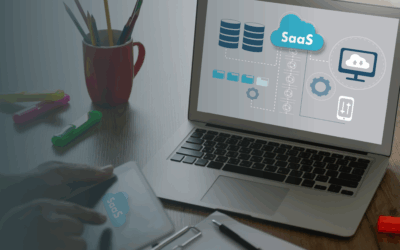
企業の重要プロセスにおける「カスタムソフトウェア」と「SaaS」の使い分け
自社専用のカスタムソフトを開発すべきか、それともSaaSを導入すべきか?
実際には、答えは単純な二者択一ではありません。第三の戦略的な選択肢として、近年のSaaSが提供する API連携やカスタマイズ機能 を活用する方法があります。これにより、スピード・コスト・差別化 のバランスを取り、ITが成長の妨げではなく推進力となるようにできます。
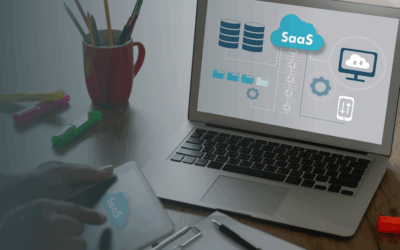
Cuándo usar software a medida vs SaaS en procesos críticos de tu empresa
La realidad es que la respuesta no es binaria. Hoy existe un tercer camino estratégico: aprovechar las integraciones y la personalización que ofrecen muchas plataformas SaaS. Este enfoque permite equilibrar velocidad, costos y diferenciación, evitando que la tecnología se convierta en un cuello de botella.
Recent Projects
Learn from the top thought leaders in the industry.
No Results Found
The page you requested could not be found. Try refining your search, or use the navigation above to locate the post.
0 Comments